

Lower Your Perth Air Con Power Bills This Winter
It has been a proper freezing start to winter across WA. There is plenty more south-westerly weather on the horizon.
If your reverse cycle system is working overtime, it is probably throwing your power bills through the roof. You are not alone.
Most energy saving advice online is generic fluff written for eastern states weather.
In Perth, we have unique construction quirks like double-brick thermal mass, low-pitch tin roof spaces, and single-phase power limits.
These factors completely change how an air conditioner performs.
Here is what our team’s 15+ years in local roof spaces and electrical boards has taught us about keeping your home warm without burning a hole in your wallet.
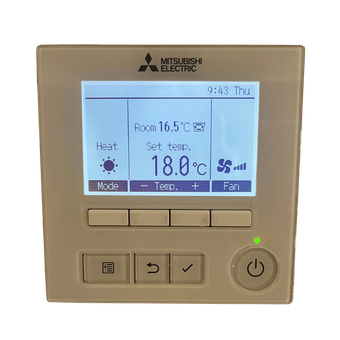
Dial In Your Setpoint (The 20°C Rule)
One of the biggest mistakes we fix on service calls is people jamming their controller up to 28°C or 30°C on a chilly 5°C morning in the Hills or Midland.
Your controller setpoint is a target, not a throttle. Setting it higher will not make the air coming out of the vents any hotter.
It just forces your outdoor compressor to run at maximum capacity for hours. That hammers your power bill.
For winter heating in Perth, set your controller between 18°C and 20°C.
Every single degree you push above 20°C can increase your running costs by up to 10%.
When your room reaches the setpoint, the outdoor unit throttles back or cycles off. That is where the power savings actually happen.
Control Your Airflow: Zones, Louvres, and Drafts
Heating a double-brick Perth home takes serious energy. Cold double-brick walls act like giant heat sinks, sucking the warmth straight out of the room.
Do not make your system heat space you are not using.
Direct the Air Down
Basic physics proves that hot air rises. Manually adjust your wall split or ducted louvres to point straight down towards the floor.
If you let warm air blow straight across the ceiling, it stays trapped near your roof space while your feet stay freezing.
Isolate Unused Areas
Shut the doors to spare bedrooms, laundries, and formal dining rooms.
Turn off those specific zones on your controller so you are not paying to heat empty space.
Stop the Drafts
Close your heavy curtains before the sun drops over the ocean.
Use draft stoppers under external doors to stop that Antarctic breeze whipping through under your floorboards.
The Perth Reality Check: Airflow vs Return Air
Modern zoning systems give you heaps of control. You can even set individual room percentages from an app on your phone.
However, with great control comes great trade-offs.
If you shut down too many zones, you restrict the total air volume moving through the indoor coil. Air cannot get back to the return air grille, where your main sensor usually sits.
This tricks the system into thinking the house has not warmed up yet. The outdoor compressor keeps grinding away full tilt, burning electricity while barely moving any heat into the two rooms you actually left open.
Tech Tip
If you can hear a loud, rushing air noise or a whistling flicker coming out of a ceiling vent, your system is throttled too tight. Either open up another zone, increase the zone percentage, or drop the fan speed down to Medium or Low to balance the air pressure.
Preventative Trade Secrets: Coils and Filters
If your return air filter is choked with dust, your system works twice as hard for half the heating output.
That added strain cooks indoor fan motors and destroys compressors.
Clean the Return Air Filter
Pull the mesh filter out from the hallway return grille every three months.
Wash it down under the garden hose, let it dry completely in the sun, and slide it back in.
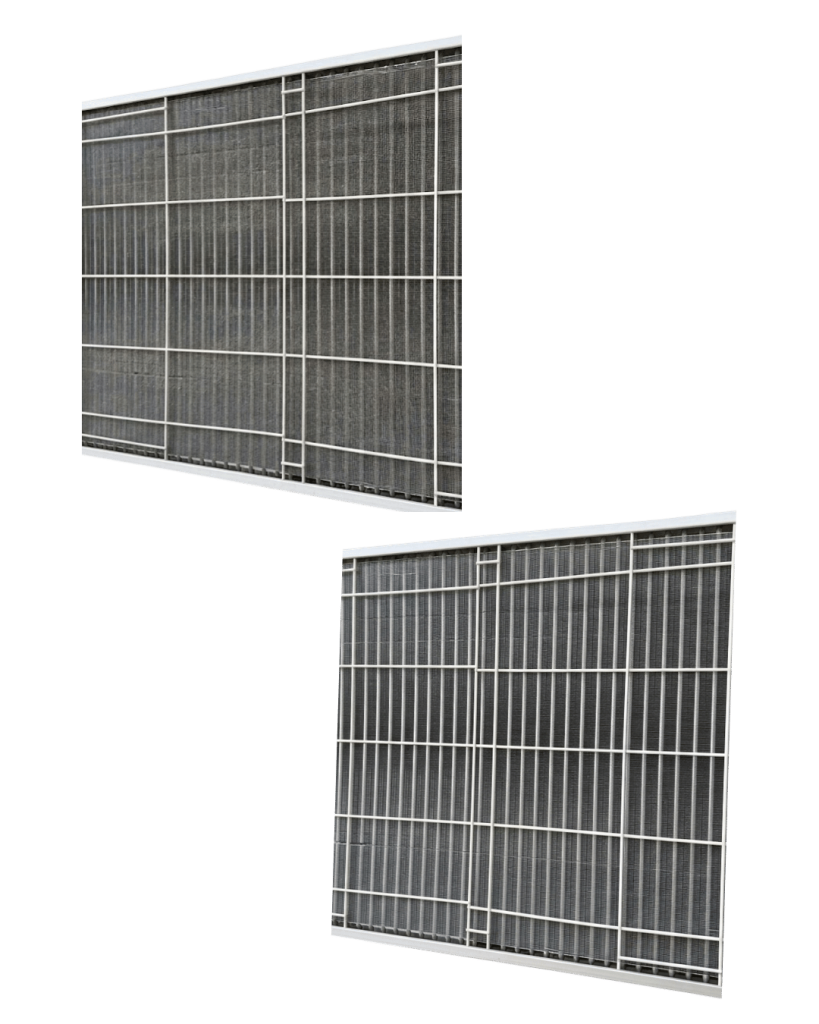
Clear the Outdoor Condenser
Make sure your outdoor unit has at least 500mm of clearance all around it.
Clear away overgrown retic weeds, cobwebs, and stored timber. Restricted outdoor airflow spikes electrical consumption instantly.
Check for Duct Leaks
Older Perth homes with flexible ducting in the roof space often suffer from degraded foil, tape failure, or rat damage.
On average, leaking ductwork dumps up to 27% of your heated air directly into your cold roof space before it ever reaches your living room.
Upgrade Decisions: When to Repair vs Replace
If your current reverse cycle system is over 10 to 12 years old, keeping it on life support might be costing you more than a new installation.
Modern inverter units use up to 30% less electricity than older fixed-speed systems built a decade ago.
If you pair a new, properly sized system with rooftop solar and pre-heat your house during peak solar generation hours (between 10 AM and 2 PM), you can effectively heat your double-brick home for next to nothing.
Just ensure you do not oversize the replacement unit. An oversized unit will short-cycle continuously. That ruins your energy efficiency and leaves you with cold spots throughout the house.
A proper heat load calculation accounts for your exact roof pitch, tile type, window orientation, and suburb microclimate before dropping a unit onto your roof.
The Bottom Line
Keep your setpoint grounded at 19°C or 20°C. Keep your return air filter spotless. Make sure your zones allow enough air to circulate freely back to the main grille.
Treat your air conditioner with a bit of respect. It will keep you warm through the worst of the Perth winter without blowing out your Western Power bill.
Want to Lower Your Winter Power Bills?
Our experienced team can assess your system, identify efficiency issues and recommend the right solution
to help keep your winter energy costs under control.