
On a hot Perth afternoon, the heat around your home builds from the outside in.
Paving warms up. External walls absorb direct sun. Glass doors heat up. Alfresco areas become uncomfortable, and eventually that heat starts making its way indoors.
By the time your air conditioner is trying to cool the house, it may already be fighting hours of stored heat.
That is why summer comfort can start outside the home.
Start With Shade
The first goal is simple: stop as much direct sun as possible before it reaches the surfaces around your home.
Shade sails, pergolas and awnings can help protect outdoor entertaining areas while also reducing the amount of sun hitting nearby windows and walls.
This matters most in areas that receive strong morning or afternoon sun, particularly east and west-facing parts of the home.
In many Perth properties, well-placed external shade can make the alfresco more usable and reduce the amount of heat the home has to absorb in the first place.
Pay Attention to the Glass
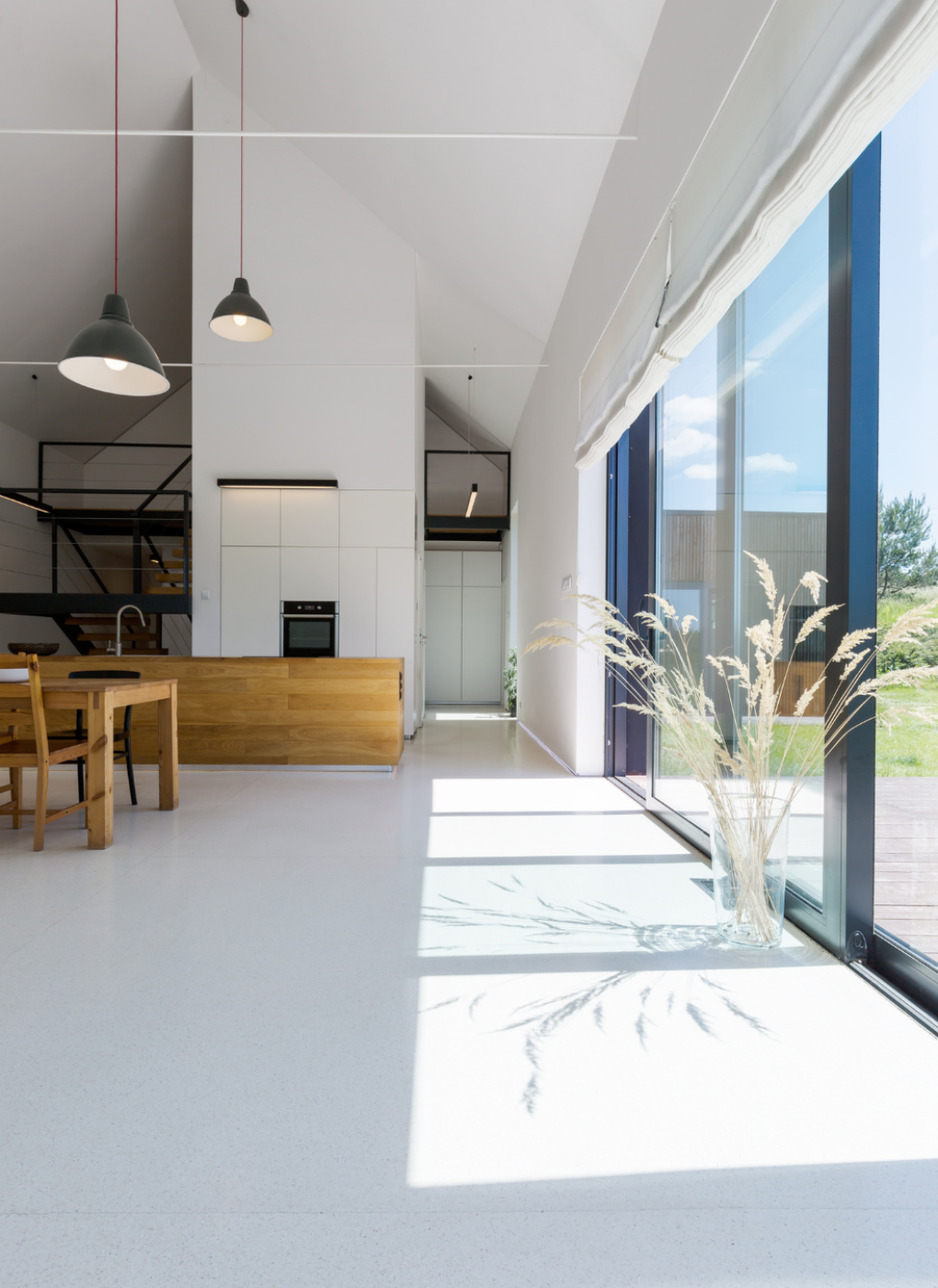
Large sliding and bi-fold doors are great for connecting indoor and outdoor spaces, but they can also become a major source of heat gain.
If the afternoon sun is hitting the glass directly, indoor temperatures can rise quickly.
Outdoor blinds, screens and adjustable shading can help stop that sunlight before it reaches the glazing.
This is often more effective than relying only on internal curtains or blinds because the heat is being dealt with before it enters the home.
For Perth homes with large west-facing glass areas, this can make a noticeable difference on hot afternoons.
Make the Alfresco More Comfortable
Once the main solar heat is under control, the next question is how comfortable the outdoor space actually feels.
Shade does most of the heavy lifting.
From there, fans or misting systems can help make an alfresco more pleasant during hot weather.
Misting is most useful for outdoor comfort in dry conditions. It should not be treated as a substitute for shading or as a way to cool the whole house.
If you are considering a misting system, think about wind direction, water use and where the mist will fall.
It also needs to be positioned well away from electrical equipment and your air conditioner’s outdoor unit.
Do Not Box In the Outdoor Unit
This is one area where outdoor improvements can accidentally create an air-conditioning problem.
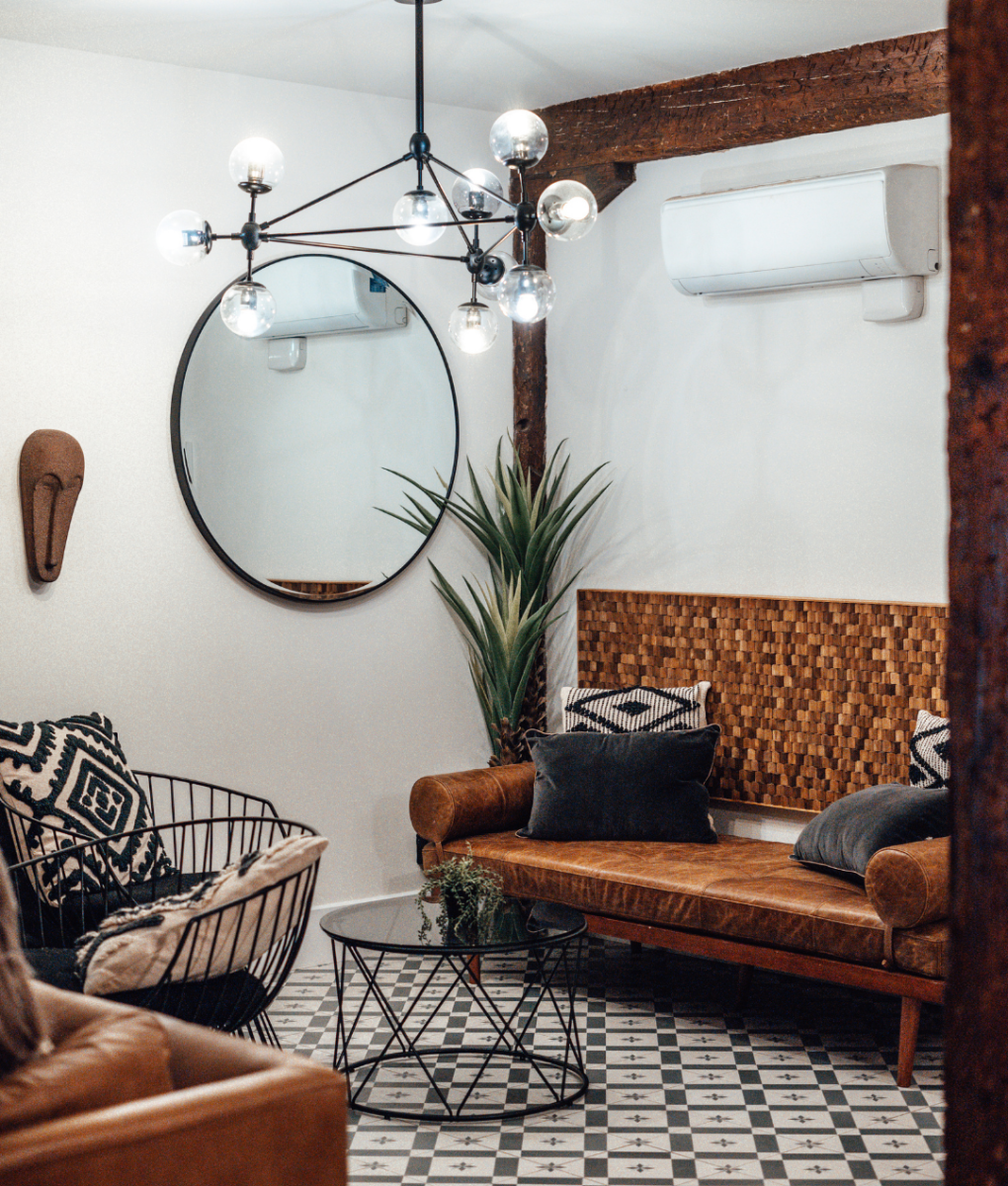
Your outdoor unit needs clear airflow to release the heat removed from inside the house.
Avoid enclosing it behind blinds, storage, screening or dense landscaping just to make the area look neater.
Shading the home can reduce cooling demand, but the outdoor unit itself still needs the clearances and ventilation it was designed for.
What This Means for Indoor Cooling
The connection is simple.
The less heat your walls, windows and outdoor surfaces absorb, the less heat your air conditioner has to remove later.
That can help the system maintain a comfortable indoor temperature with less unnecessary work.
At Allfield RACS, this is one of the reasons we look at more than just the air conditioner when assessing a home. Orientation, glazing, room layout, sun exposure and how the space is used all affect how much cooling the property actually needs.
A Better Way to Think About Summer Comfort
A cooler home does not start with a lower thermostat setting.
It starts with controlling the heat before it reaches the inside.
Well-placed shade, better protection for large glazed areas and a more comfortable alfresco can all help reduce the load on your air conditioning through a Perth summer.
At Allfield Residential Air Conditioning Services, we design, install, service and repair reverse-cycle ducted and wall-mounted split systems across Perth.
Want to make sure your air conditioning is ready for the hotter months?
Contact Allfield RACS for practical advice, servicing, repairs or a free quote on a system designed around your home.