
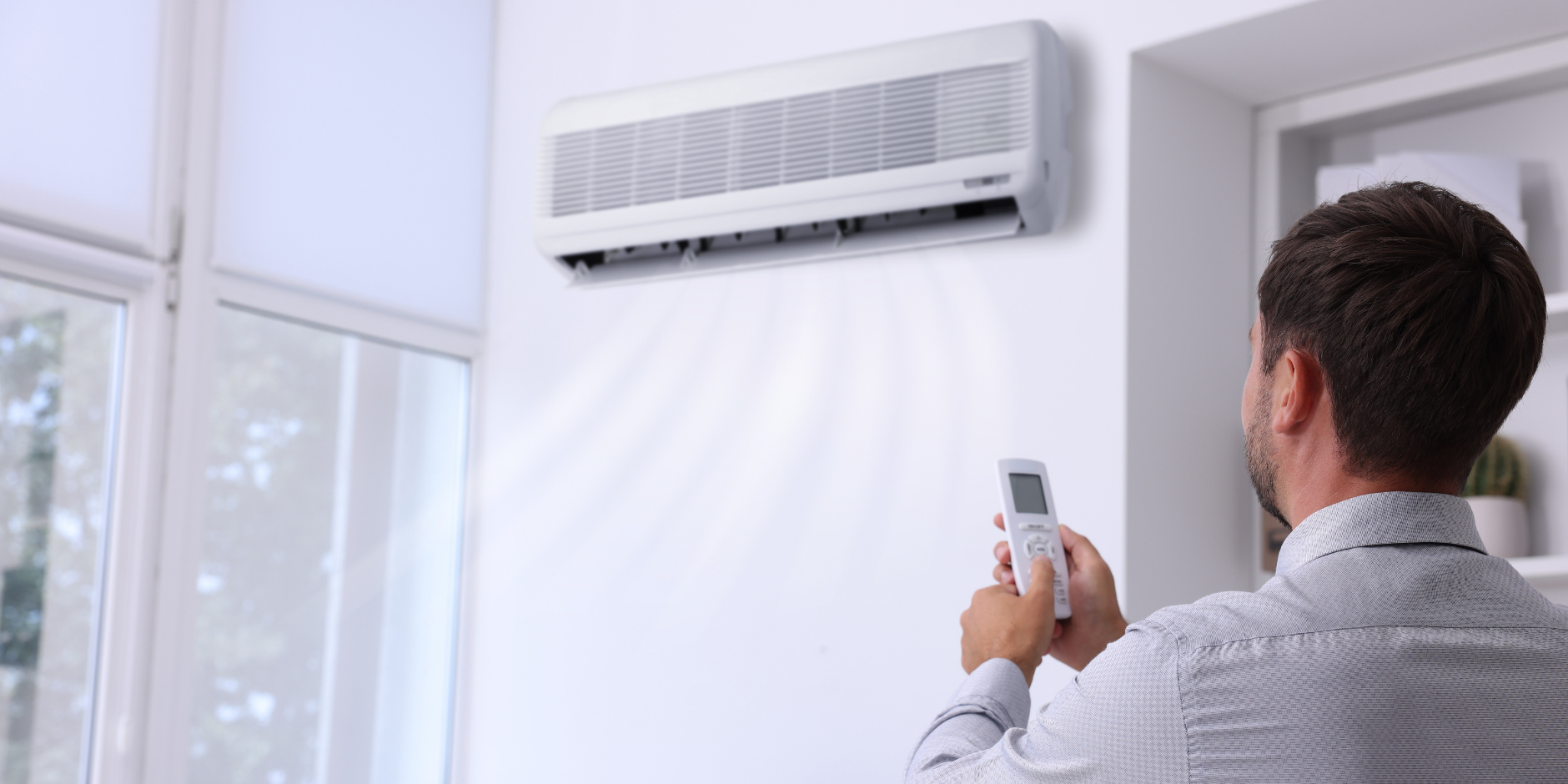
Most of us flick the remote on without thinking about what’s happening behind the wall. A few facts can make your home more comfortable, your system last longer and your power bill a little kinder. Here are the ones we find ourselves explaining most often at Allfield RACS.
It started with paper, not people
The first modern air conditioner, built by Willis Carrier in 1902, wasn’t made for comfort. It was designed to control humidity in a printing plant, where damp air kept warping paper and smudging ink. Cinemas soon realised that cool air filled seats, and summer became blockbuster season. Home systems came much later.
An air conditioner doesn’t make cold. It moves heat.
Your system collects heat and moisture from inside, then releases them outdoors. That’s why the outdoor unit blows warm air in summer.
Reverse-cycle systems simply run the process in the other direction in winter, pulling heat from outside air and delivering it indoors. Because they move heat rather than create it, they commonly deliver several times more heating or cooling energy than the electricity they use. That’s why they’re typically far cheaper to run than a bar heater.
Perth’s summers are getting hotter
- Perth’s hottest day on record is 46.2°C, set on 23 February 1991.
- Average summer maximums at Perth Airport have risen by roughly 3°C since 1910.
- In February 2024, Perth Metro had seven days of 40°C or more, a new record for a single month.
- Summer 2021–22 was the hottest on record, with a double-digit run of 40°C days.
For an air conditioner, that means longer runtimes and more pressure on ageing equipment. Having your system serviced before the heat arrives is far easier than arranging a repair mid-heatwave.

Four myths worth retiring

“Bigger is better.” An oversized system cools the air quickly, then switches off before it has properly removed moisture. That can leave a room cool but clammy. Correct sizing matters more than raw power.
“If it’s blowing cold air, it’s fine.” A system can still run while losing efficiency, whether from clogged filters, restricted airflow or a refrigerant problem. Rising power bills or uneven rooms are often the first clue.
“A lower setting cools faster.” It doesn’t. The setting is only the target temperature, and it won’t change how quickly the system gets there. Somewhere in the mid-20s is a sensible starting point for most homes.
“Leaving it on low all day saves money.” If nobody’s home, you’re paying to cool empty rooms. A timer that finishes the job shortly before you arrive is usually the smarter way to do it.
Air conditioning and allergies: it depends
A clean, well-maintained system with fresh filters can reduce dust and pollen indoors. A neglected one can circulate them instead. Filters are the cheapest, quickest thing you can look after yourself, and they make a real difference to both air quality and efficiency.
Why the installer’s licence matters
In Australia, anyone who handles refrigerant must hold the appropriate licence, and electrical work has to be done by licensed electricians. A properly licensed installer also protects you where it counts: warranty claims, safety and resale. It’s always fair to ask to see licence details before agreeing to a quote.
Got a question about your own system?
If any of this made you wonder how your air conditioner is going, our Perth team is happy to help. We install, service and repair ducted and
wall-mounted split systems, and we’ll give you honest advice whether you need a quick fix or a replacement.