
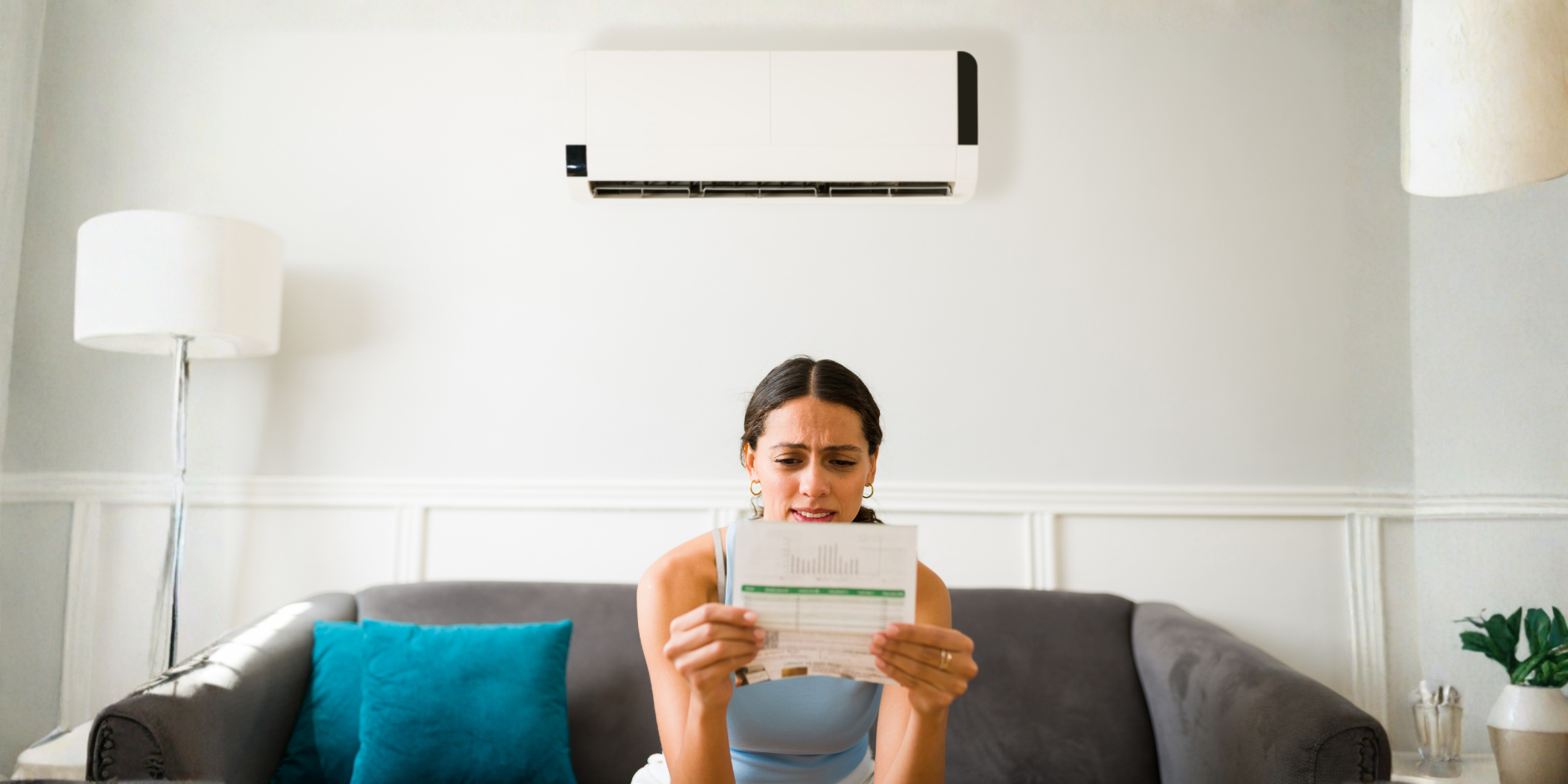
Air conditioning is a big slice of many household power bills, and Perth’s long summers make it bigger. The good news is that you have more control than you might think. Savings come from four places: what you buy, how it’s installed, how you use it and how you look after it.
1. Buy smart: learn to read the energy label
Most non-ducted systems now carry a Zoned Energy Rating Label, which scores efficiency for three climate zones (hot, average and cold). Perth falls in the average zone, so that’s the line to look at.
- Stars run out of 10. More stars means better efficiency, but only compare systems of a similar capacity.
- Blue stars are for cooling, red for heating. In Perth, both matter, since you’ll use the same system year-round.
- Check the estimated annual energy use shown on the label alongside the stars. It tells you more than the stars alone.
- Don’t compare old and new labels. They’re calculated differently, so stars from one don’t line up with the other.
- Ducted systems often don’t carry a mandatory label, so ask your installer for the manufacturer’s efficiency figures.
Efficiency also means the right size. An oversized system cycles on and off, wasting energy and leaving rooms cool but clammy, while an undersized one runs flat out all afternoon. A proper heat-load assessment beats guessing.

2. Install it well
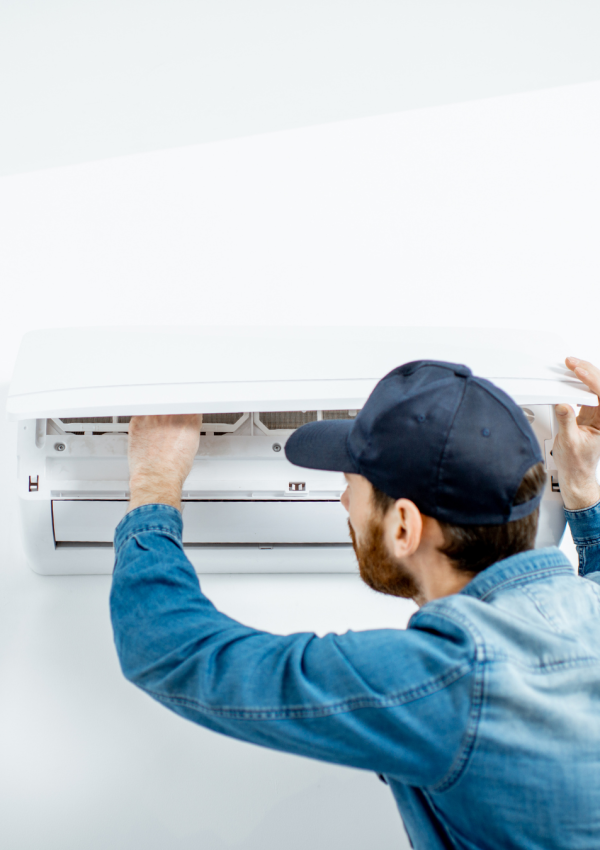
A highly rated system can still waste energy if it’s badly installed. The things that matter most:
- Outdoor unit placement. It needs free airflow and, where possible, relief from direct afternoon sun.
- Indoor unit and vent positions that let air reach where it’s needed and return freely.
- Ducting that’s sealed and well insulated (ducted systems), since hot roof spaces can quietly rob cooling before it reaches your rooms.
- Zoning that suits your household, so you’re not conditioning rooms nobody is using.
- Correct pipework, charging and electrical work, all of which should be done by licensed tradespeople.
3. Run it sensibly
- Mind the setpoint. The WA Government suggests not setting cooling below 24°C, and each degree lower adds roughly 10% to running costs. For heating, 18 to 20°C suits most people. A ceiling fan lets you stay at the higher end without feeling stuffy.
- Pre-cool, don’t rescue. Starting early on a hot day is gentler than trying to cool a heat-soaked house at 3pm. Timers make this easy.
- Don’t run it for an empty house. Set it to switch off when you leave and come on shortly before you return.
- Use zones properly. Close off rooms you’re not using, but not so many that airflow suffers. Ducted systems need enough open outlets to run well.
- Try economy or fan-only modes if your system has them. On milder days they can keep a room comfortable for less.
- Match your solar. If you have panels, running the system during sunny hours puts your own generation to work.
.
3. Run it sensibly
- Mind the setpoint. The WA Government suggests not setting cooling below 24°C, and each degree lower adds roughly 10% to running costs. For heating, 18 to 20°C suits most people. A ceiling fan lets you stay at the higher end without feeling stuffy.
- Pre-cool, don’t rescue. Starting early on a hot day is gentler than trying to cool a heat-soaked house at 3pm. Timers make this easy.
- Don’t run it for an empty house. Set it to switch off when you leave and come on shortly before you return.
- Use zones properly. Close off rooms you’re not using, but not so many that airflow suffers. Ducted systems need enough open outlets to run well.
- Try economy or fan-only modes if your system has them. On milder days they can keep a room comfortable for less.
- Match your solar. If you have panels, running the system during sunny hours puts your own generation to work.
4. Help the house help you
The cheapest kilowatt is the one you don’t use, and every bit of heat kept out is less for your system to remove.
- Shade windows before the sun arrives, especially west-facing ones. External shading works best.
- Check your ceiling insulation. Older or settled insulation lets roof-space heat straight through.
- Seal draughts around doors, windows and exhaust fans.
- Keep doors and windows shut while the system runs.
5. Keep it clean, keep it efficient
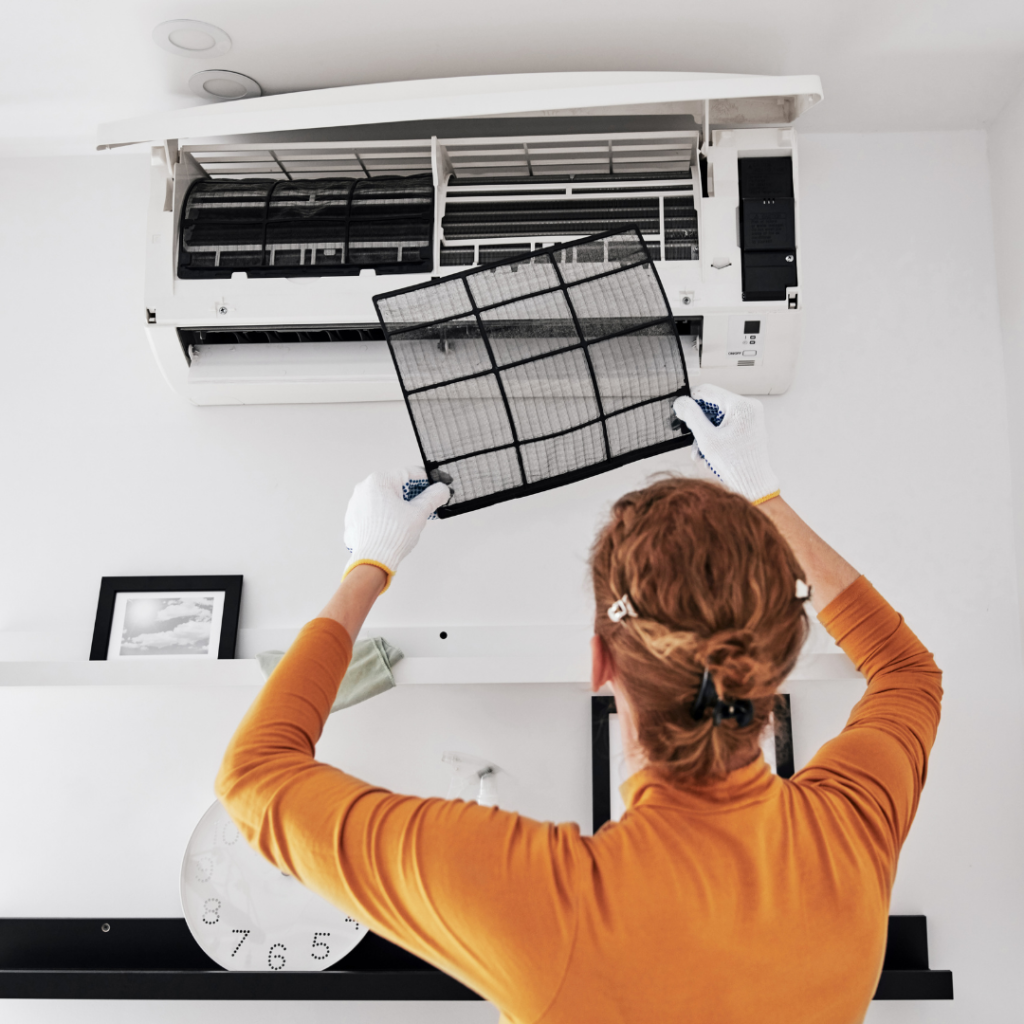
A system that’s slowly losing efficiency won’t tell you. Clean filters regularly through summer, keep the outdoor unit clear of leaves and clutter, and book an annual service before the hot weather. Low refrigerant, dirty coils or a failing component can all push up running costs long before something breaks outright.
When is it worth upgrading?
If your system is old, noisy or struggling, a modern inverter system could cost less to run. Inverters adjust their output rather than switching on and off, which is typically more efficient. An upgrade tends to make the most sense when:
- the system is well past its prime and repairs are adding up
- your bills have crept up without a change in how you use it
- your needs have changed, such as an extension, a new family member or working from home
We’ll tell you honestly if a repair or service is the smarter move.
Want an honest look at your running costs?
Whether you’re planning a new system or wondering why your current one costs so much,
our Perth team can assess your home and recommend what will actually make a difference.