
A well-chosen system can still underperform if the home around it is working against it. The good news is that most gains come from small habits, not expensive upgrades. Here’s how we’d approach it, starting with the house and working inwards.
1. Help the house hold its cool
Your air conditioner works hardest when heat keeps leaking in, so reduce that first.
- Shade the sun side. West-facing glass is the biggest culprit on Perth afternoons. External shading such as awnings, pergolas or shade sails works best, with blinds or lined curtains as the next option. Close them before the sun hits, not after.
- Keep doors and windows shut while the system is running.
- Check your ceiling insulation. Roof spaces get extremely hot in summer, and older or settled insulation lets that heat straight through. A quick look, or advice from an insulation specialist, can pay off for years.
2. Give the air somewhere to go
Air conditioning only works when air can circulate freely.
- Keep supply vents and return-air grilles clear of furniture, rugs and boxes.
- Ducted systems: Closing zones saves energy, but don’t overdo it. Too few open outlets restricts airflow, and closed rooms still need a way for air to return, so a door left slightly ajar often helps. If some rooms feel weak, check how many zones are open before assuming something’s wrong.
- Split systems: Cool the rooms you’re using and keep their doors closed. In larger open spaces, a ceiling fan helps spread cool air without lowering the setting.

3. Set it, then leave it alone
- Choose a sensible temperature. Mid-20s for cooling and around 20°C for heating suit most homes. Dropping the setting further doesn’t make it work faster, but it can make it work harder.
- Use the timer. In summer, start cooling before the heat peaks. In winter, set heating to come on shortly before you get up. Warming a house gradually is gentler than trying to heat it all at once.
- Don’t run it for an empty house. Programme it to finish shortly before you arrive.
- Use fans. Moving air makes a room feel cooler at the same temperature, but turn fans off when you leave the room, because they cool people rather than spaces.
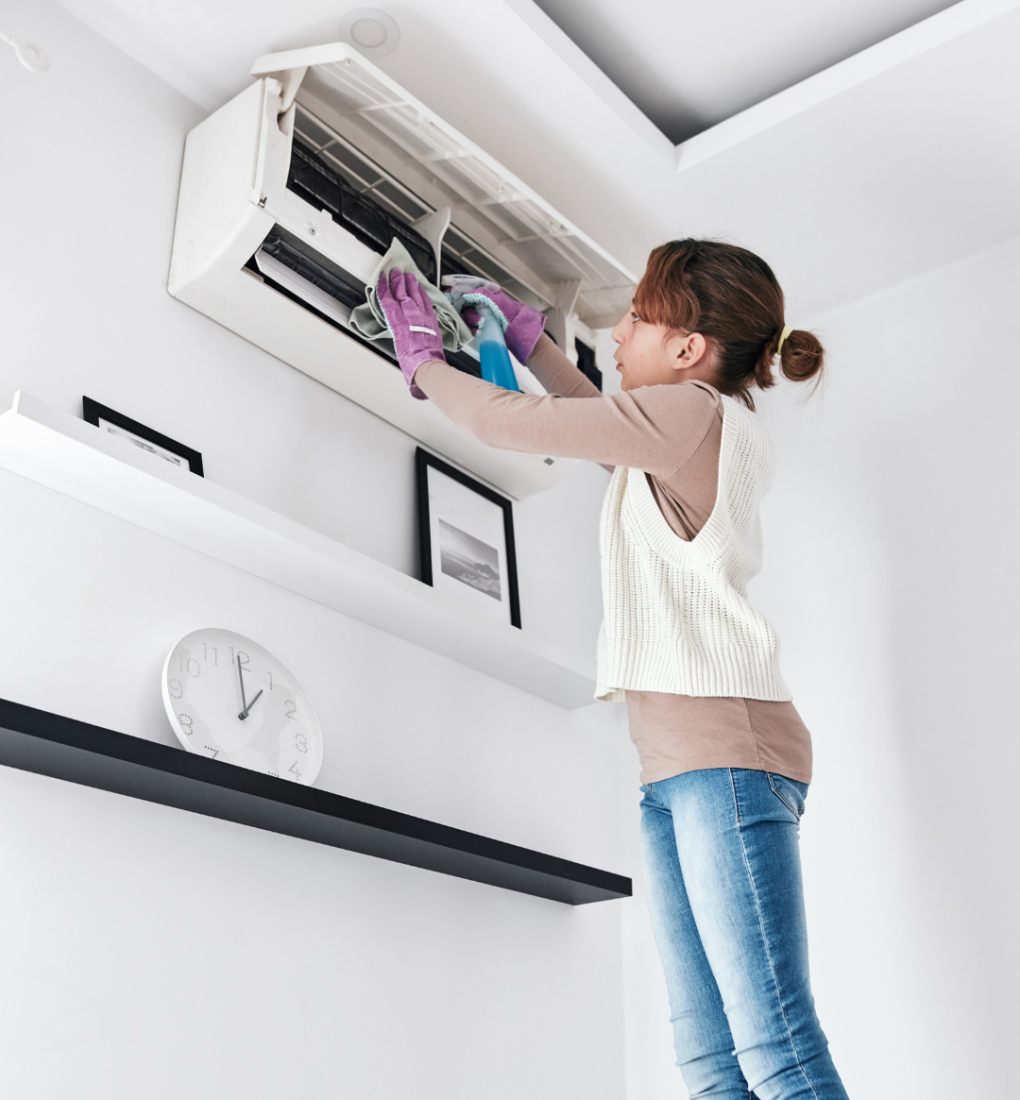
4. Keep the filters clean
Dirty filters are the simplest performance killer. Advice varies, and the right schedule depends on your system and your home. As a rule of thumb:
- Check filters monthly through summer, and more often if you live near bushland, building work or unsealed roads.
- Clean them when they look dusty, rather than waiting for a set date. Follow your manual, let washable filters dry fully, and replace worn ones.
- On ducted systems, pay attention to the main return-air filter. If your controller has a filter reminder, reset it after cleaning.
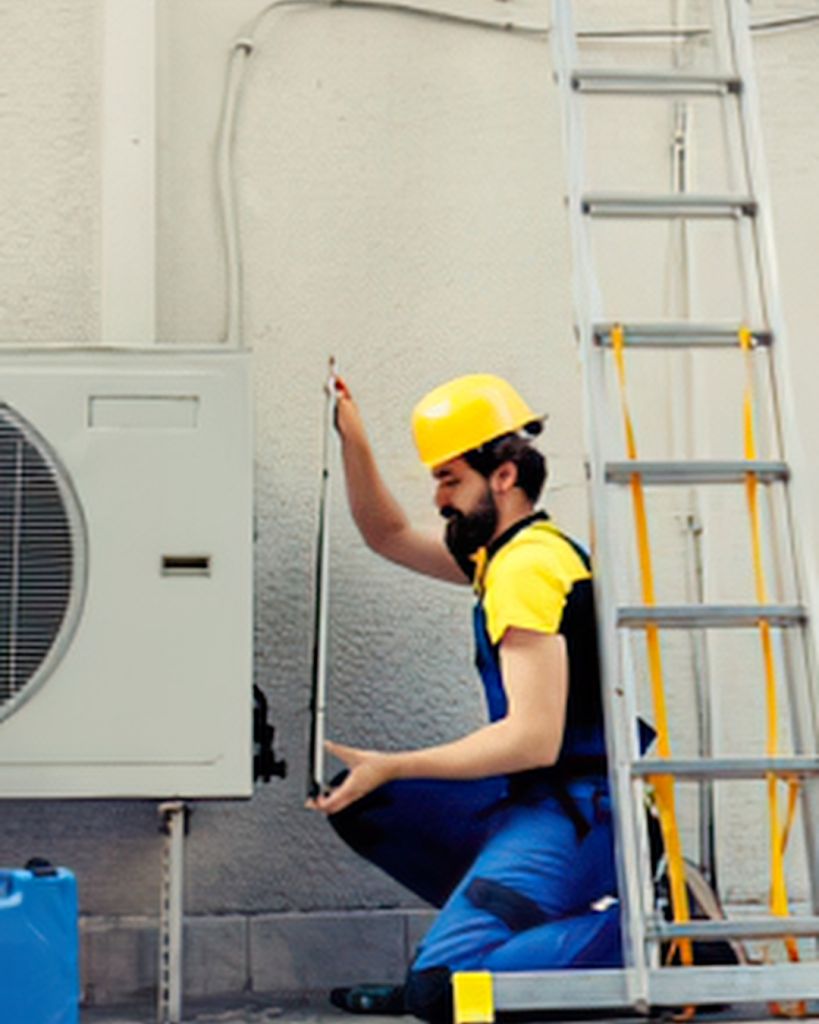
5. Look after the outdoor unit
- Leave space around it. Don’t stack things against it or let plants crowd in.
- Keep it out of unnecessary direct sun where possible.
- If you live near the coast, salt can build up on the unit over time, so ask us what’s best for your system before you start hosing it.
6. Don’t panic about the normal stuff
Some things look alarming but aren’t. Water dripping beneath the outdoor unit is normal condensation. On cold mornings in heating mode, you may see steam or a thin frosting while the unit runs a defrost cycle. That’s expected, as long as it clears.
7. Service it before you need to
An annual service lets a technician catch things you can’t see, such as electrical connections, coil condition, drainage and refrigerant. Booking before summer is much easier than finding a time during a heatwave.
Five-minute checklist
- Filters clean?
- Vents and return grilles clear?
- Outdoor unit uncluttered?
- Timer set to match your routine?
- Last service within the year?
Not getting the comfort you expect?
If your power bills are creeping up, some rooms never cool properly or the system runs flat out, there’s usually a reason.
Our Perth team can assess what’s going on and recommend whether it needs a service, a repair or a rethink.